
There is something about being in the African wilderness that makes you look at your watch a little less. It might be that it’s the early morning light slowly spreading across the landscape, the quiet before the day begins, or simply the realisation that, out here, life has been happening to a rhythm far older than ours. And we forgot.
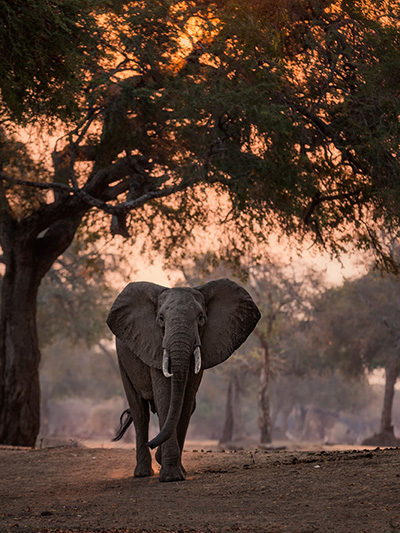
The sun rises. The birds begin to call. The first movement stirs in the grass. Somewhere in the distance, an elephant begins its morning walk. Nothing is rushed, and yet everything is happening.
We arrive with our own rhythm
We live by calendars, schedules, connecting flights and check-in times. We count our days in meetings, school runs, deadlines and departures. So when we plan a safari, it is tempting to do the same. Three nights here, two nights there. Perhaps we can squeeze in another country, another park, another experience. After all, we have come a very long way.
But Africa is vast. Distances can be enormous, and a journey that looks deceptively simple on a map can take hours. Add international flights, smaller aircraft, transfers, different time zones and jet lag, and suddenly those precious days begin to disappear into getting from one place to the next.
And there is something else to consider: your body has its own rhythm too. It needs time to arrive.
The wilderness doesn’t work to our timetable
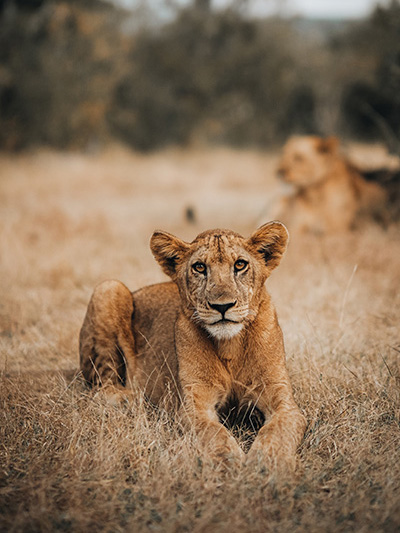
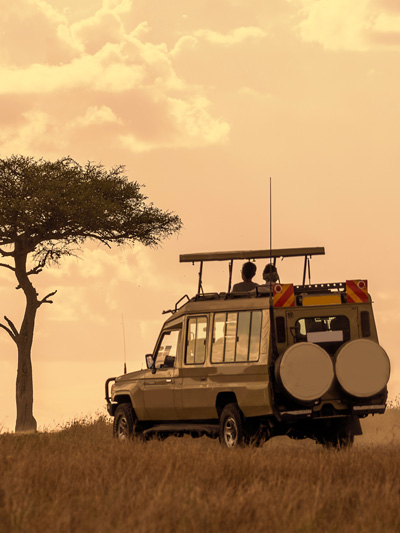
A safari is not a theme park where the main attraction appears at 10am. Wildlife doesn’t perform on cue. Guides and game rangers do not have a remote control to magically make animals and birds and plants appear. If only! The lion may be sleeping beneath a tree when you arrive. The leopard may disappear into the long grass. The elephants may have moved on.
Sometimes, you have to wait.
That waiting is not wasted time. It is the experience. It is meditative.
You sit quietly as the afternoon heat settles over the landscape. You listen to the wind moving through the grass and notice a tiny movement in the distance. You listen to your own breath, to the gentle stories the guides and rangers share. You wait. You listen to bird song. Then suddenly, everything changes. A herd appears. A trunk reaches towards a branch. A zebra lifts its head. A flock of birds rises from the water.
For a moment, the entire landscape seems to breathe in unison.
This is the rhythm of the African wilderness.
Follow the patterns
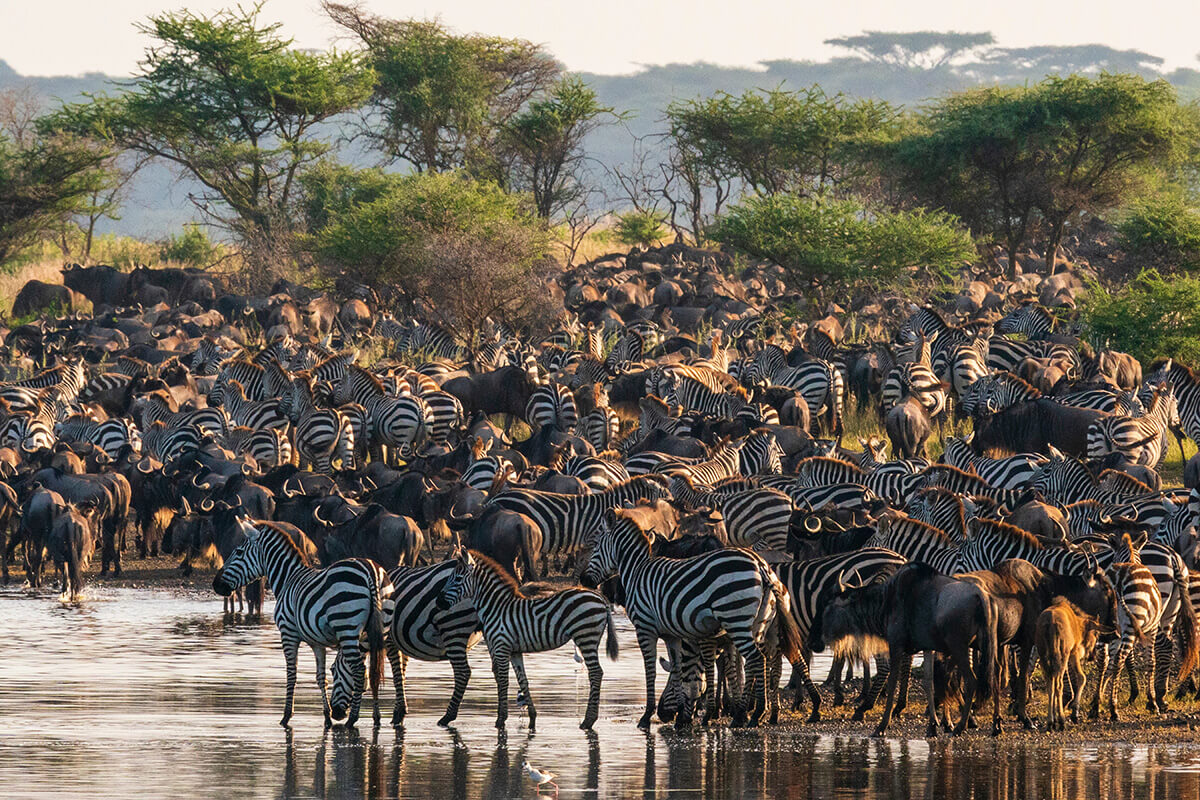
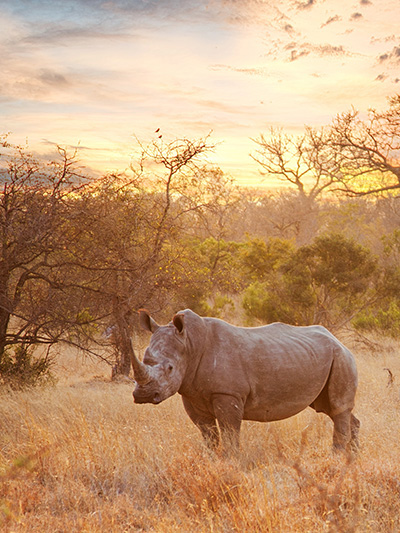
Nature has its own clock. Animals move according to water, food, temperature, seasons and instinct. Elephants travel vast distances in search of water and food. Wildebeest follow ancient migratory routes. Predators conserve energy until the moment they need it. Birds arrive and depart with the changing seasons.
The landscape itself has patterns too: wet and dry, light and shadow, abundance and scarcity, movement and stillness. Nothing is random. And when we take the time to observe, we begin to see that a safari is not simply about ticking animals off a list. It is about understanding a little of the world they inhabit.
And then there is us
There is another rhythm we need to think about: our own.
Every vehicle that enters a wilderness area, every aircraft that lands, every lodge that uses water and energy, every road travelled and every interaction with wildlife has an impact. Responsible travel isn’t about pretending that we leave no footprint. We do. The question is how thoughtfully we travel. The question or questions are:
Where we stay. How we move. How long we stay. How close we get. What we consume. Who benefits from our visit.
And perhaps one of the simplest things we can do is resist the urge to rush. Stay a little longer. Travel a little less. Choose depth over distance. Give a place enough time to reveal itself.
Because when we move too quickly through a landscape, we don’t just exhaust ourselves. We can miss the very thing we travelled so far to experience.
Let the wilderness set the pace
There is a beautiful irony to safari. We travel thousands of kilometres to escape our everyday lives, only to bring our everyday pace with us.
We arrive with expectations. We want the perfect photograph, the Big Five, the spectacular sighting, the story we can take home. And sometimes, the most memorable moments are the ones we never planned for.
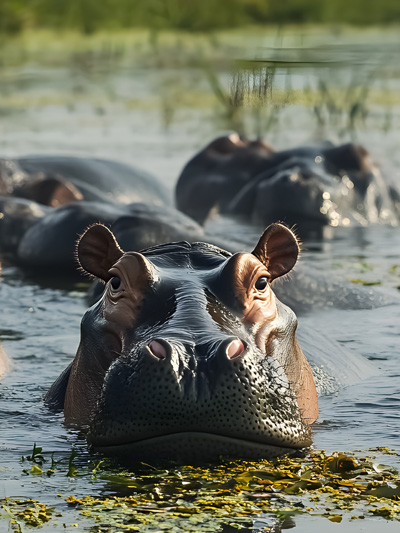
A cup of coffee as the sun rises. The sound of a hippo calling across the water. A family of elephants disappearing slowly into the bush. The warmth of the earth beneath your feet. A sunset that seems to stretch forever. The silence after the sun has disappeared. The vast expanse of the sky at night sprinkled with thousands of stars. The quiet song of the fire at the boma.
These moments don’t ask anything of us. They simply ask us to be there.
Perhaps that is what Africa gives us
A reminder that not everything needs to happen quickly. That there is beauty in waiting. That distance is not necessarily something to overcome. That silence can be full of life. And that sometimes, the best way to experience a place is to stop trying to see everything.
Give yourself time to arrive. Give the landscape time to speak. Give the animals space to move as they always have. And allow yourself to fall into a slower rhythm.
Because the African wilderness has its own energy. Its own patterns. Its own ancient pulse.
Don’t rush it. Slow down. Breathe it in. Watch. Listen. And let the rhythm of the wilderness set the pace.
Mambo marafiki. The journey is waiting.